
Publications and outputs
- Master thesis (2026): Who models Africa’s energy future? A PRISMA systematic review of 1,053 energy modelling studies applied to African countries, the extraction pipeline and this observatory. MINES Paris-PSL (OSE Master) for AISESA Cluster 1.
- Perspective working paper (Plakoo et al., 2026) on energy modelling approaches for African contexts, co-authored within the AISESA Cluster 1 community.
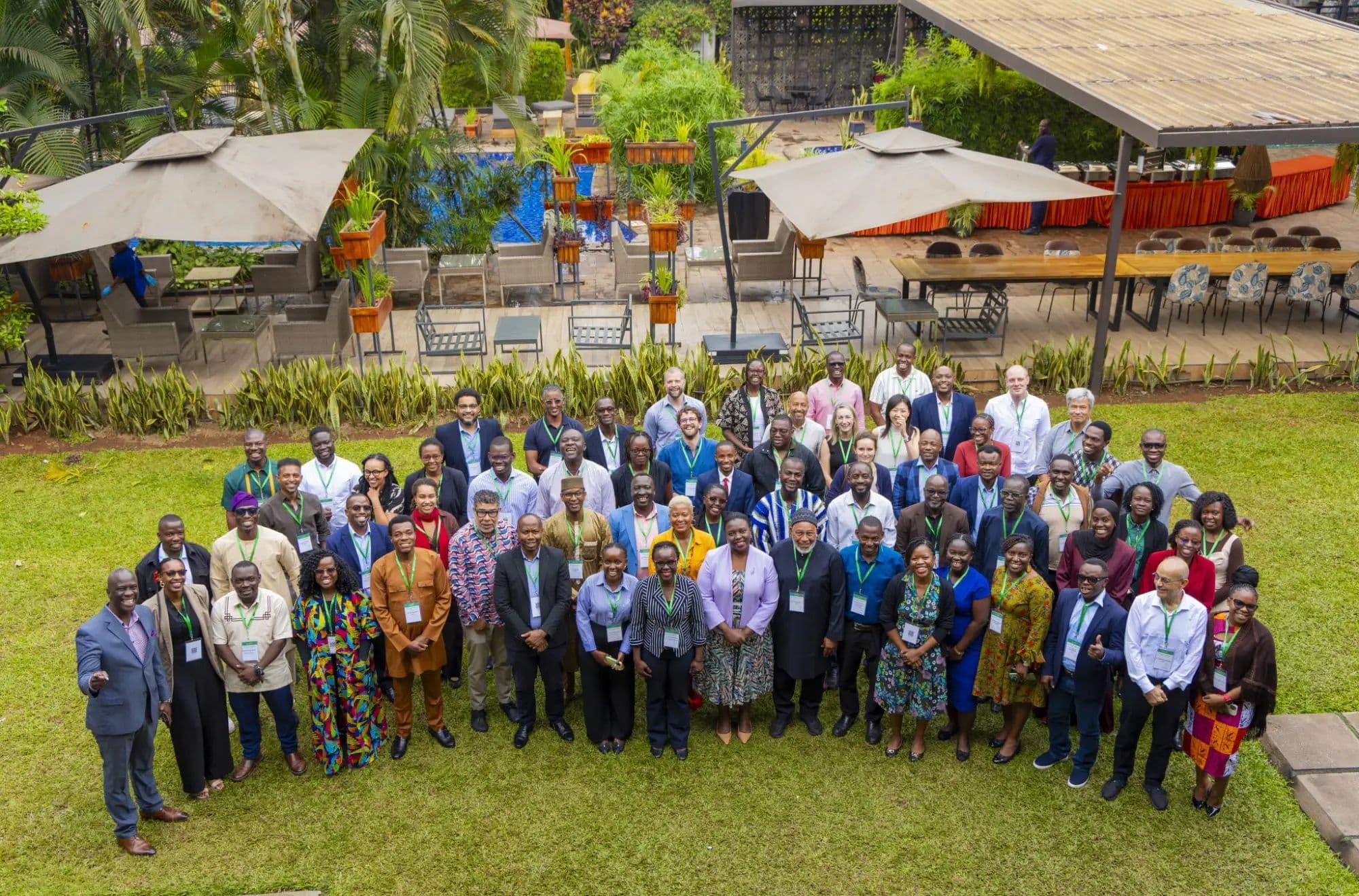
- 3rd AISESA Congress, Kampala, September 2026: presentation of the completed review and of the observatory.
- Krinea: the extraction tool built for this review, now an open-source systematic review workbench (import, deduplication, screening, AI-assisted extraction with verbatim quotes, PRISMA 2020 reporting).
Data and API
All inventory data is open (CC BY 4.0):
- Studies (CSV), studies (JSON), tools (CSV), countries (CSV), or everything as a zip with the link tables;
- a read-only JSON API behind every page of the observatory:
/api/stats/overview,/api/studies?country=KE&tool=OSeMOSYS,/api/tools/HOMER,/api/countries/NG,/api/stats/gaps?level=full,/api/stats/readiness,POST /api/recommend; - the master workbook and the SQLite build used by the first edition remain in the repository under
data/.
How the inventory stays alive
The initial review covers the literature up to its search date, 5 May 2026. Four mechanisms keep the inventory up to date:
- Contributions. Anyone can propose a study, a correction or a tool. Proposals are checked for duplicates (DOI, title) and wait in a curation queue; nothing is published without a curator’s verification.
- Discovery. The hub re-runs the review’s OpenAlex search strategy (the same four Boolean blocks) at a configurable cadence, from the last run date or from 2000 for a full sweep that catches forgotten studies. Works already in the corpus are recognised by DOI or title; the rest become candidates that curators screen. Relevant candidates are exported as RIS and run through Krinea for full-text screening and 51-field extraction, then imported back as pending contributions.
- Survey. The validation survey sent to modelling teams (Cluster 1 members first) is connected through a CSV feed; each response becomes a pending contribution with its submitter’s details.
- Tool tracker. For open tools with a known repository, the hub records a monthly snapshot of stars, forks, open issues, contributors and last commit, next to each tool’s use in the African literature.
A usage layer records which pages, tools, countries and studies visitors consult, how often the recommender and the assistant are used, without storing any personal data.
Roadmap
- Integrate the policy record (NDCs, CCDRs, national strategies) as a documented stream with its own provenance protocol.
- Publish a corpus-based index of national modelling capacity (share of African-led, nationally scoped studies per country).
- Re-run the full review protocol (OpenAlex and Scopus searches, full-text screening) every one or two years, in addition to the regular discovery runs.
Governance
The observatory is meant to be anchored in the AISESA community, with the Cluster 1 coordination as its natural home. Curators are appointed by the community; the code and the data remain open.